Table of Contents (12 sections)
Understanding the Basics of Budget Travel
Traveling on a budget entails more than just spending less; it requires a strategic approach to maximize your experience while minimizing expenses. As defined by the World Tourism Organization, budget travel is characterized by prioritizing cost-saving measures like off-peak travel, affordable accommodations, and dining like a local. The benefits include extending your travel duration, experiencing more destinations, and enriching your travel memories without straining your finances. A survey by Statista indicates that 50% of travelers in 2025 prioritized cost efficiency in their travel plans. Thus, understanding and applying budget travel principles not only enhances your trips but also ensures sustainability.
Plan Your Trip in Advance
Planning is a key element of successful budget travel. Start by setting a realistic travel budget, covering flights, accommodation, food, transportation, and activities. Utilize tools such as Google Flights or Skyscanner to track fare changes and secure the best deals. Procuring travel insurance is crucial to protect against unforeseen events; companies like World Nomads offer comprehensive coverage for travelers. Avoid last-minute bookings, which can lead to inflated prices. Instead, consider flex scheduling, allowing you to tweak dates for better capacity pricing.
Find Affordable Accommodation
When it comes to accommodation, exploring options beyond traditional hotels can save a significant amount of money. Platforms like Airbnb and Booking.com offer various affordable lodging choices, from shared apartments to hostels. Additionally, consider staying in lesser-known locales just outside major city centers, which often offers cheaper rates and a more authentic experience. Volunteer lodging opportunities, such as Workaway or WWOOF, can also provide free accommodation in exchange for work.
Use Cost-Effective Transportation
Transportation can eat up a large portion of your travel budget, but strategic planning can alleviate this burden. Public transport is always cheaper than taxis or private transfers, and cities worldwide are increasingly developing robust networks. According to the International Association of Public Transport, using transit systems in major cities can save you 30-50% compared to using taxis. Consider walking or renting bikes and scooters for short distances. For intercity or international travel, check out budget airlines or consider overnight buses and trains.
📺 Resource Video
> 📺 For further insights: “Budget Travel Hacks to Save Money”, an in-depth analysis of cost-saving travel strategies. Search on YouTube: “budget travel hacks 2026”.
Travel Off-Peak Seasons
Timing is crucial for budget travelers. Traveling during off-peak seasons not only reduces costs significantly but also allows for a more enjoyable experience without the throngs of tourists. Off-peak travel can reduce your overall spending by as much as 40%, according to travel consultancy Oxford Economic USA. For example, visiting Europe in late fall or early spring can be both cost-effective and rewarding due to moderate weather and reduced accommodation rates.
Embrace Local Cuisine
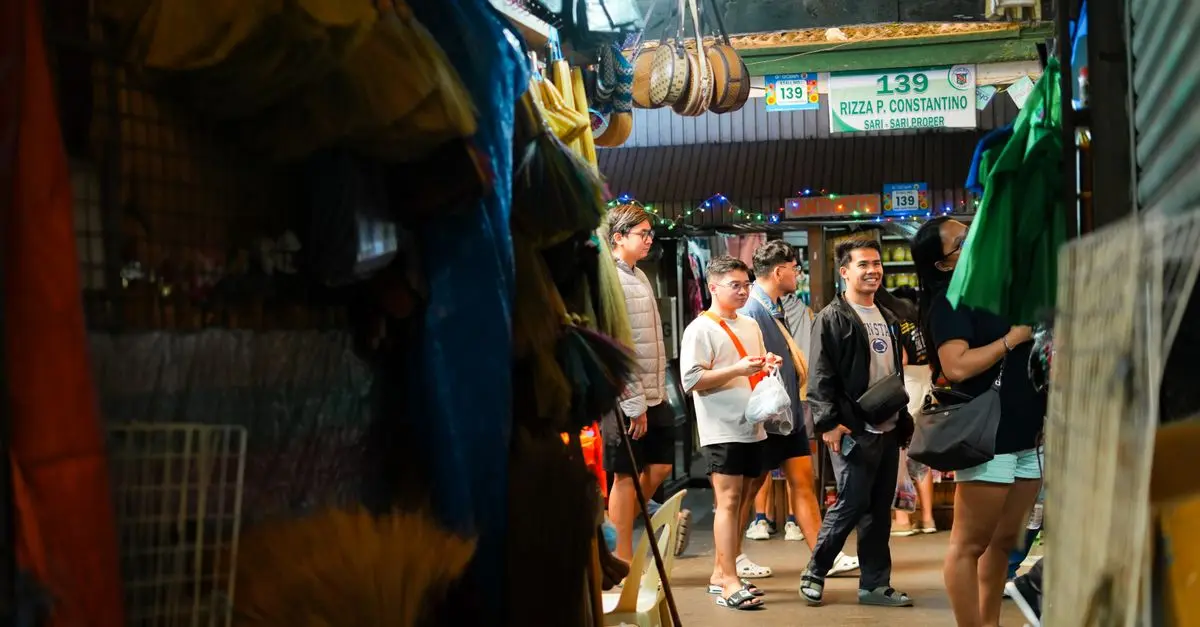
Food is a vital part of travel, and indulging in local cuisine can enrich your experience while saving money. Skip the tourist-centric restaurants and explore street food or local markets. Not only is this cost-effective, but it also offers an authentic taste of the destination. Lonely Planet recommends trying local eateries off the beaten path to enjoy true local flavors without the tourist markup.
Earn While You Travel
In 2026, remote work offers vast opportunities for sustaining travel. Platforms like Upwork and Fiverr facilitate freelancing, allowing you to earn remotely. Teaching English online through platforms like VIPKid can also be a lucrative option. Additionally, consider working at hostels or becoming a tour guide for tourists, giving you both income and deeper cultural connections.
- How can I travel internationally on a budget?
Travel internationally on a budget by planning off-peak trips, using budget airlines, staying in affordable accommodations, and enjoying local cuisine.
- What are the cheapest months to travel?
Late autumn (October-November) and early spring (March-April) are often the cheapest months due to lower tourist traffic.
- Can I travel without money?
It’s challenging but possible. Consider volunteering, house-sitting, or couchsurfing for accommodation and using hitchhiking or carpooling for transport.
- What should I pack for budget travel?
Pack light to avoid extra luggage fees, focus on essentials, and include versatile clothing suitable for different climates.
Glossary
| Term | Definition |
|---|---|
| Couchsurfing | A service that connects travelers with locals willing to offer free temporary accommodation. |
| Freelancing | Performing work as an independent contract on a short-term basis. |
| Off-Peak Season | Periods of time when travel demand is low, generally leading to lower prices. |
Checklist Before You Go
- [ ] Set a realistic budget covering all aspects.
- [ ] Research and book affordable accommodation well in advance.
- [ ] Download apps for public transportation in your destination.
- [ ] Plan the trip during off-peak times to save costs.
- [ ] Explore local dining options through recommendations and reviews.
🧠 Quick Quiz: What's one benefit of traveling during the off-peak season?
- A) Higher accommodation costs
- B) Less crowded tourist spots
- C) Scarcer flight options
Answer: B — Off-peak travel often leads to less crowded destinations and cheaper prices.