Table of Contents (17 sections)
The act of exploring the world today extends beyond merely visiting tourist destinations; it embodies the spirit of adventure and discovery in an era of rapid global change. With advancements in technology, global connectivity, and shifting cultural dynamics, the way we explore places has evolved. This guide aims to provide essential insights and practical advice for navigating the modern travel landscape while embracing local cultures and sustainable practices.
1. Understanding Global Travel Dynamics
In 2026, the global travel landscape has been reshaped by a myriad of influences, including the ongoing impacts of the pandemic and growing environmental concerns. Modern travelers now face a range of options from ecotourism to immersive cultural experiences. According to recent statistics from the World Tourism Organization (UNWTO), global international tourist arrivals reached approximately 1.5 billion in the last measured year, reflecting a strong recovery and a renewed interest in travel opportunities. Understanding these dynamics is crucial for developing a travel plan that resonates with your interests and values.
Explore Responsibly
Travelers must now prioritize responsible explorations. This can mean choosing eco-friendly accommodations, minimizing carbon footprints, or supporting local economies. Resources like Green Globe provide certifications for sustainable travel practices. Traveling responsibly enhances the experience, allowing for genuine interactions with local cultures.
2. Preparation: Research and Itinerary Planning
Before embarking on your journey, it is vital to conduct thorough research and create an itinerary. Start by identifying your destinations based on interests, budget, and time constraints. Use online resources such as Tripadvisor or Lonely Planet for insights about what to do, places to stay, and cultural norms.
Create a Flexible Itinerary
While having a plan is advantageous, flexibility is key in travel. Weather changes, local events, or an unexpected recommendation from a local can influence your schedule. Apps like Google Maps or TripIt can provide real-time updates and help you adjust on the go.
3. Booking Accommodations and Transportation
Once you've settled on an itinerary, it’s time to book your accommodations and transportation. Various platforms offer diverse options, from hotels to vacation rentals. Popular booking sites include Airbnb, Booking.com, and Expedia. When evaluating options, consider the amenities, location, and reviews to ensure a rewarding stay.
Understanding Transportation Options
In terms of transportation, assess local transit systems, such as buses and trains, and decide whether to rent a car. Comparing distances and travel times can save money and enhance your travel experience. For instance, European rail systems like Eurail are praised for their efficiency, making exploration seamless.
4. Engaging with Local Culture
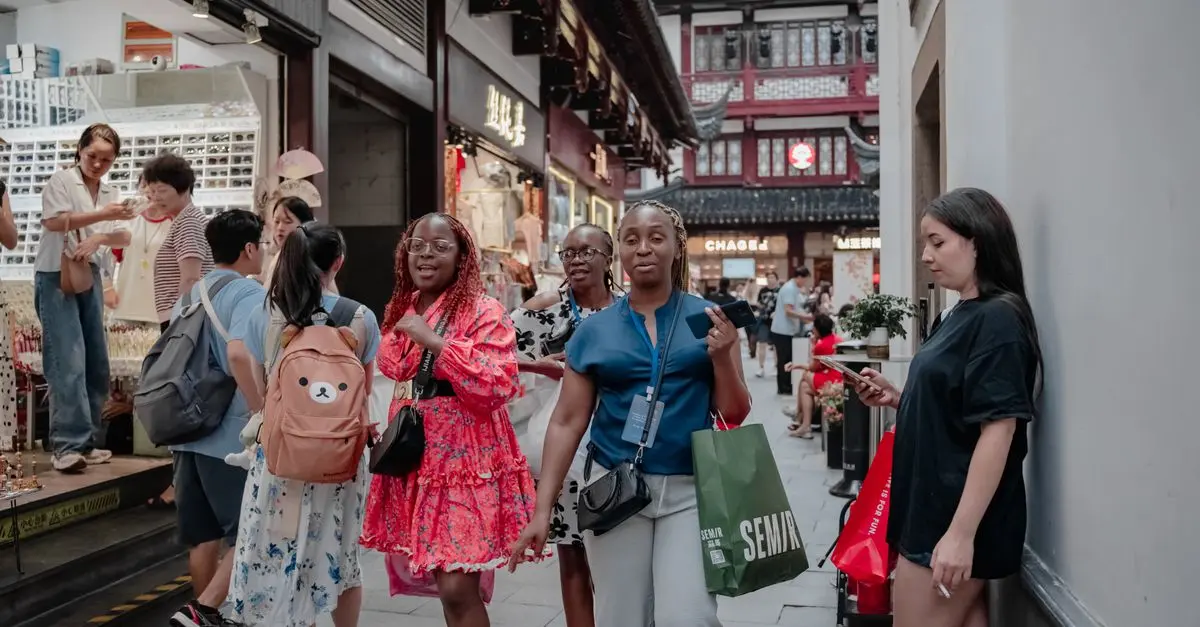
Part of exploring the world today is immersing yourself in the local culture. Engage with local cuisines by trying street food or dining in family-run restaurants. Participate in cultural festivals or workshops to gain authentic experiences.
Building Connections
Talking to locals can also enhance your trip. Many travelers report that engaging with residents often leads to the most memorable experiences. Learning a few phrases in the local language, using Duolingo or Babbel, creates rapport and demonstrates respect for the culture.
5. Safety and Health Considerations
While the excitement of travel is intoxicating, it’s essential to prioritize safety and health. Check travel advisories from reliable sources like the Centers for Disease Control and Prevention (CDC) or World Health Organization (WHO). Stay informed about required vaccinations, health risks, and local laws.
Preparing for Emergencies
Maintain a healthy travel kit that includes necessary medications, hand sanitizers, and masks. Being prepared for emergencies, including having copies of important documents and knowing local emergency contacts, can mitigate stress during travel.
6. The Importance of Reflection Post-Travel
After return from your journey, take time to reflect on your experiences. Documenting your experiences, either in a journal or through social media, can foster lasting memories and connections. Sharing insights on platforms like Instagram or Facebook allows others to learn about diverse cultures and travel possibilities.
Planning for Future Adventures
Post-travel reflection can also serve as a learning tool for future adventures. Reviews and insights can influence your next destination choices or travel methods. Consider creating a travel blog or a personal diary to chart your journey and lessons learned.
🧠 Quiz rapide : What is the most important consideration when exploring the world today?
- A) Packing lightly
- B) Understanding local customs
- C) Finding the cheapest flight
Réponse : B — Understanding local customs enriches your travel experience.
📺 Resource Video
> 📺 For further insights: Explore the top tips for travel in 2026. Search on YouTube: "how to adventure in a post-pandemic world".
Checklist before travel
- [ ] Research destinations thoroughly
- [ ] Create a flexible itinerary
- [ ] Book accommodations and transport
- [ ] Engage with local cultures
- [ ] Prioritize health and safety
Glossaire
| Terme | Définition |
|---|---|
| Ecotourism | Pratique de voyager dans des destinations écologiques tout en préservant l'environnement. |
| Sustainable Travel | Mode de voyage qui minimise l'impact environnemental et soutient les économies locales. |
| Cultural Immersion | Pratique de participer pleinement à la culture d'une communauté locale plutôt que de rester un visiteur. |
---
📺 Pour aller plus loin : how to adventure in a post-pandemic world sur YouTube