Table of Contents (11 sections)
Understanding Long-Haul Flights
A long-haul flight typically spans over eight hours and demands more preparation than shorter trips. These journeys, often spanning continents, introduce challenges such as cramped seating and jet lag. According to IATA, in 2025, over 4.5 billion passengers embarked on flights, with a significant portion traveling long-haul. Understanding the specifics of these flights allows you to anticipate challenges and prepare accordingly.
Packing Smart for Comfort
Efficient packing is fundamental for a long-haul flight. A compact carry-on with essentials like noise-canceling headphones, a neck pillow, and an eye mask enhances comfort. For clothing, layers are key. Travel experts suggest wearing breathable fabrics and packing a lightweight blanket or shawl. Avoid overpacking, as minimizing items makes retrieval easier in-flight. Remember, restricted access to checked luggage means everything you might need should be in your carry-on.
Choosing the Right Seat
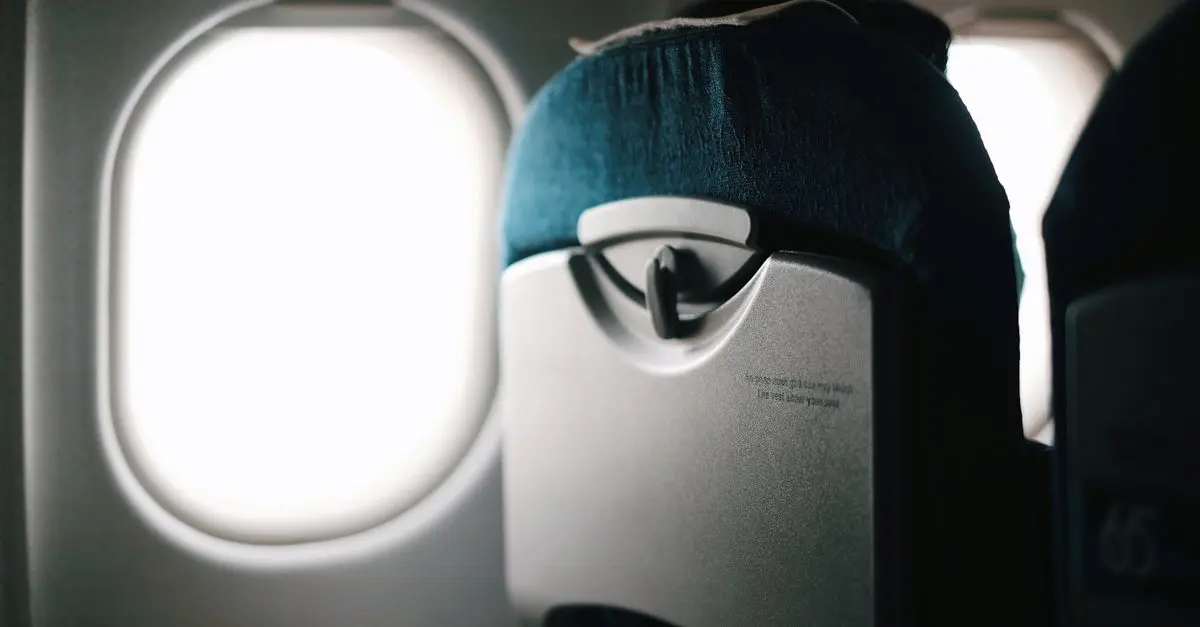
Selecting the ideal seat can significantly affect your flight experience. Window seats offer a place to rest your head, while aisle seats provide easier access to move around. Frequent flyers advise against seats near restrooms due to potential noise and traffic. Tools like SeatGuru offer detailed seat maps to aid in choosing the most comfortable spot, highlighting seats with extra legroom or in quieter sections of the plane.
Maintaining Physical Comfort
Physical well-being often dictates the quality of your flight experience. Stretching and moving every couple of hours prevents stiffness and improves circulation. Consider wearing compression socks which, according to health professionals, reduce the risk of deep vein thrombosis. Regular use of hand sanitizer and staying hydrated combats the dry cabin air and reduces the risk of illness.
Staying Hydrated and Nourished
Cabin air is notoriously dry, increasing dehydration risk. Health experts recommend drinking at least eight ounces of water for every hour in the air. Bring your own water bottle and refill it after security checks. Opt for light, nutritious snacks like nuts or fruits to maintain energy levels without relying solely on airline meals, which can be high in sodium.
Keeping Entertained
Long flights can be tedious without engaging distractions. Download movies or e-books in advance, or opt for mindfulness apps to practice meditation or relaxation techniques. Some airlines offer Wi-Fi services; check pricing and availability when planning your entertainment strategy. According to a survey by Passenger Experience, 60% of travelers use personal devices for in-flight entertainment.
Managing Jet Lag
Jet lag disrupts internal body clocks and is inevitable in long-haul travel. Gradually adjusting your sleep schedule to match your destination's time zone before departing can minimize its effects. Use an eye mask to help with rest during off-peak sleeping hours. The Mayo Clinic recommends exposure to bright light upon arrival to help reset your body clock.
📺 Resource Video
📺 For further insights: Preparing for Long-Haul Flights: Insider Tips and Tricks, find comprehensive guidance on YouTube with the search: "long-haul flight preparation tips".
Checklist
- [ ] Pack essential comfort items: pillow, headphones, mask
- [ ] Choose a seat with manageable accessibility
- [ ] Wear comfortable, layer-friendly clothing
- [ ] Stay hydrated with a refillable water bottle
- [ ] Prepare entertainment for the flight
Glossary
| Terme | Définition |
|---|---|
| Long-haul flight | Flights typically lasting over 8 hours. |
| Compression socks | Special socks that improve blood circulation during flights. |
| Jet lag | Physical effects resulting from crossing multiple time zones. |
> 🧠 Quiz rapide : How often should you stretch during a long-haul flight?
> - A) Every 2 hours
> - B) Once during the flight
> - C) Only after landing
> Réponse : A — Regular movement enhances circulation and comfort.