Table of Contents (12 sections)
Traveling is an exciting way to explore the world, and understanding cultural etiquette can significantly enhance your experience. By familiarizing yourself with the customs and beliefs of the regions you visit, you foster respectful and meaningful interactions with locals. This guide will walk you through essential cultural etiquette travel tips that every traveler should know, ensuring you leave a positive impression wherever you go.
1. Research Before You Travel
Before embarking on your adventure, conducting thorough research about your destination is crucial. Different cultures have distinct customs and traditions that may affect your interactions. For instance, in Japan, bowing is a sign of respect, while in many Middle Eastern countries, a firm handshake is customary. According to a study by Travel + Leisure, travelers who take the time to understand local customs report a 70% increase in their overall travel satisfaction.
Consider using resources such as guidebooks, reputable travel websites, and cultural blogs to understand the local etiquette. Moreover, interviewing friends or acquaintances who have traveled to your destination often yields valuable insights. Additionally, engaging with online travel communities can provide real-time advice from fellow travelers.
💡 Expert Opinion: “The more you know about the local culture, the more respectful and enjoyable your interactions will be,” says cultural anthropologist Dr. Emily Carter.
2. Dress Appropriately
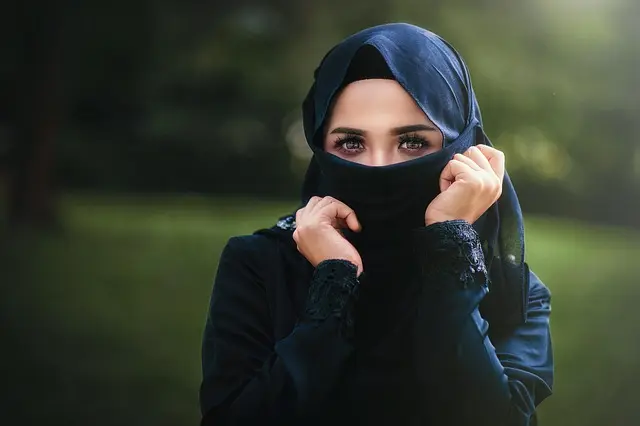
Your clothing choices can speak volumes about your respect for the local culture. In some countries, modest dress is expected, particularly in religious or rural areas. For example, wearing shorts or sleeveless tops may be frowned upon in many parts of the Middle East, while in India, it is good practice to cover your shoulders and knees.
Understanding the local dress codes not only reflects your respect but also improves your chances of being welcomed warmly. Always check guides or travel forums to see what attire is appropriate for specific events or locations. For instance, when visiting temples in Thailand, it is important to wear long trousers and shirts with sleeves.
Tips for Dressing Respectfully:
- Observe Locals: Pay attention to how local people dress.
- Layer Up: Bring a light scarf or shawl that can easily cover up when necessary.
- Comfort First: Ensure your clothes are comfortable for the climate, acknowledging culture alongside personal comfort.
3. Use Local Language and Greetings
A simple greeting in the local language often goes a long way. Even if your pronunciation isn’t perfect, locals appreciate the effort. For example, saying “Bonjour” in France or “Hola” in Spain can open doors and create friendly exchanges. In fact, research by the Institute for Cross-Cultural Communication** shows that speaking even a small amount of local language increases trust and willingness to engage.
Common Phrases to Learn:
- Thank you: Merci (French), Gracias (Spanish)
- Hello: Ni hao (Mandarin), Guten Tag (German)
- Goodbye: Au revoir (French), Adiós (Spanish)
Additionally, learning local greetings, such as bows in Japan or gestures like a wave in many cultures, can help in making you feel more at ease.
💡 Did You Know? Simple phrases can invite smiles, and locals may respond in kind, enhancing your travel experience.
4. Respect Dining Etiquette
Mealtime often embodies cultural practices, and understanding dining etiquette is crucial. For instance, in some Asian cultures, it is polite to wait for the oldest person at the table to start eating first. Similarly, in many Middle Eastern countries, sharing food from a communal plate is common and signifies hospitality. Conversely, in Western cultures, finishing your plate is sometimes viewed as a compliment.
Dining Etiquette Tips:
- Understand Eating Customs: Research what utensils are used, if any. For example, in Ethiopia, injera (a traditional bread) is used instead of utensils.
- Offer to Share: In many cultures, it is polite to offer food from your plate.
- Learn Table Manners: Different regions have specific do's and don'ts that can range from how to position your hands to how to signal you’re done eating.
Sample Comparatives of Dining Customs:
| Country | Dining Custom | Common Mistake | Proper Etiquette |
|---|---|---|---|
| Japan | Wait for everyone to start | Starting before others | Bow before eating |
| Ethiopia | Sharing from a communal plate | Using utensils only | Use pieces of injera |
| Italy | Enjoy multiple courses | Refusing offerings | Taste everything |
---
5. Be Mindful of Personal Space
Personal space varies across cultures, which can lead to misunderstandings. In some Latin American countries, closer proximity during conversations is common and reflects warmth. In contrast, individuals from Northern European countries might prefer larger personal spaces. Learning these spatial perceptions can help you interact comfortably and respectfully.
Tips to Navigate Personal Space:
- Observe Local Behavior: Pay attention to how locals behave and adjust your distance accordingly.
- Ask for Permission: If you need to enter someone's personal space, don't hesitate to ask first.
- Notice Body Language: Be mindful of non-verbal cues that indicate comfort or discomfort.
💡 Quick Tip: In many cultures, a warm smile can ease any momentary awkwardness with distance.
📺 Resource Video
> 📺 For further exploration: Cultural Etiquette When Traveling, analyzing common practices in various countries. Search on YouTube: cultural etiquette travel 2026.
Glossary
| Term | Definition |
|---|---|
| Cultural Etiquette | The accepted social rules and norms in a specific culture. |
| Personal Space | The physical distance maintained during interpersonal interactions. |
| Dining Etiquette | Customs related to eating and mealtime interactions. |
---
Checklist
- [ ] Research local customs and traditions.
- [ ] Prepare appropriate clothing for your destination.
- [ ] Learn basic phrases in the local language.
- [ ] Understand dining etiquette unique to the culture.
- [ ] Observe personal space norms before engaging.
By adhering to these cultural etiquette travel tips, you not only enhance your travel experiences but also honor the cultures you encounter. A respectful and open approach fosters connections, making your journey all the more rewarding. Don't forget to share your experiences and tips with others, as cultural understanding is a two-way street. Happy travels!
🧠 Quiz rapide : What should you do first when traveling to a new country?
- A) Immediately explore the sights
- B) Research cultural customs
- C) Pack the largest suitcase possible
Réponse : B — Understanding the culture enhances your travel experience.
📺 Pour aller plus loin : cultural etiquette travel 2026 sur YouTube