Table of Contents (9 sections)
Traveling is much more than checking off sights on a list; it’s about experiencing the culture, connecting with locals, and understanding the nuances that make each destination unique. To truly explore new destinations like a local, you have to adopt a mindset of curiosity and openness. This article presents essential strategies that will elevate your travel experience, helping you to interact authentically with the places you visit.
1. Embrace Local Transportation
Using public transportation is one of the best ways to immerse yourself in a new culture. Buses, trams, and subways are not only cost-effective but also provide a glimpse into the daily lives of residents. For instance, in cities like Tokyo, the subway system is both efficient and a cultural experience in itself, filled with unique etiquette and even themed trains.
While navigating public transport might feel daunting in a new city, apps like Google Maps or local transit apps can guide you. Moreover, opt for bicycles in cities like Amsterdam where biking is a way of life. You might discover hidden gems that aren’t on the tourist map. Before you go, check out user reviews and tips on how to use local transport efficiently.
2. Dine Where the Locals Dine
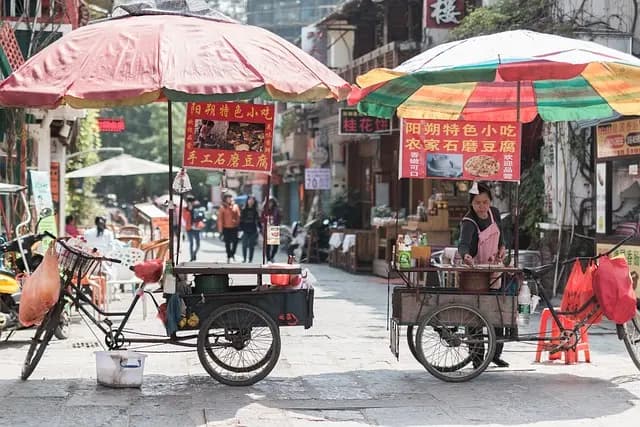
Instead of eating at tourist-heavy restaurants, seek out eateries that locals frequent. This not only supports local businesses but also gives you a taste of authentic flavors. In Bangkok, for example, street food is a culinary adventure, where food vendors offer meals that are both delicious and affordable. Visit local markets or family-owned restaurants instead of franchise chains.
To find these local spots, ask residents for recommendations or utilize platforms like Yelp or TripAdvisor, filtering for reviews labeled “authentic” or “local.” Another tactic is to follow food bloggers from the destination you’re visiting; they typically share hidden gems only locals would know about.
3. Participate in Cultural Events
Attending festivals, workshops, or local gatherings can provide unforgettable experiences that are often overlooked by tourists. Each destination has its own unique cultural events—be it music festivals, food fairs, or religious celebrations. For instance, attending the Carnival in Rio de Janeiro allows you to not just witness the festivities but also engage with the local community.
Check local tourism websites or social media pages for event calendars before your trip. Engaging in local customs, learning traditional dances, or even trying your hand at local cooking can create meaningful connections with residents and deepen your understanding of their culture.
4. Stay in Local Accommodation
Choosing accommodations that reflect the local culture is a great way to enhance your travel experience. Instead of staying in global hotel chains, consider options like guesthouses, hostels, or boutique hotels that offer a local flair. Places like Airbnb allow travelers to rent a room or home from locals, providing a more intimate understanding of the area.
Research your lodging options thoroughly, as they can sometimes offer exclusive insights into the locale's history and traditions. You might find that your host doubles as a tour guide, sharing tips that can only come from living in the area.
5. Learn Basic Local Phrases
While it’s not mandatory to speak the local language, knowing a few basic phrases can enhance your interactions significantly. Simple greetings or expressions of gratitude can go a long way in connecting with residents. For instance, saying “thank you” in Spanish or “hello” in Mandarin often opens up warmer interactions.
Use language learning apps such as Duolingo or Babbel before your trip to pick up essential phrases. Not only will this help you navigate day-to-day interactions, but it also shows respect for the local culture, often resulting in friendlier encounters.
6. Join Local Tours or Workshops
Participating in local tours or cultural workshops is another effective strategy to explore new destinations authentically. Look for tours led by local residents who can provide insight that traditional tourist guides might miss. Cooking classes, guided hikes, or art workshops offer opportunities to learn and connect.
For instance, joining a traditional pottery class in Mexico could connect you with local artisans, providing a unique perspective on the culture beyond what's typically presented in tourist brochures. Always read testimonials and reviews to ensure a fulfilling experience.
Checklist Before Your Next Adventure
- [ ] Research local public transportation options.
- [ ] Look up local eateries and food options.
- [ ] Check the cultural calendar for events during your stay.
- [ ] Book accommodations with a local touch.
- [ ] Learn a few phrases in the local language.
- [ ] Find local tours or workshops to join.
Glossary
| Term | Definition |
|---|---|
| Cultural immersion | Engaging fully in the local culture through activities and interactions. |
| Local transportation | Public transit options available to residents, showcasing daily life. |
| Authenticity | The quality of being genuine, often associated with local practices and traditions. |
> 💡 Expert Tip: Immerse yourself by volunteering during your travels. This not only enhances your experience but connects you deeply with the local community.
🧠 Quick Quiz: What is the best way to find authentic local dining options while traveling?
- A) Look at tourist brochures.
- B) Ask locals for recommendations.
- C) Visit only franchise restaurants.
Answer: B — Locals know the best hidden gems!
📺 For further insights: Check out YouTube for videos on local culture and travel experiences to deepen your understanding.
In summary, to explore new destinations effectively, prioritize authentic experiences that foster connections with locals and enhance your understanding of their culture. These strategies will lead to more memorable travels filled with unique stories and insights.
Explore the world today!
📺 Pour aller plus loin : how to explore new destinations like a local sur YouTube
Recommended products
Selected by our experts