Table of Contents (11 sections)
Traveling is not just about visiting new places; it's about exploring new cultures and connecting with the people, traditions, and lifestyles that make each destination unique. This guide provides practical steps to immerse yourself in various cultures during your travels, helping you gain a richer and more meaningful experience.
1. Research Your Destination's Culture
Before you even step foot on a plane, spend some time researching the culture of your destination. Understanding the local customs, traditions, and social norms can significantly enrich your travel experience. Look for resources such as travel blogs, documentaries, or cultural websites. For instance, if you're heading to Japan, familiarize yourself with concepts like omotenashi (hospitality) and keigo (respectful language). This preparation can make interactions more meaningful and enjoyable.
Pro Tip: Use apps like Google Translate to prepare some basic phrases in the local language. You’ll find that even a simple "hello" or "thank you" can go a long way in establishing rapport with locals.
2. Engage with Locals
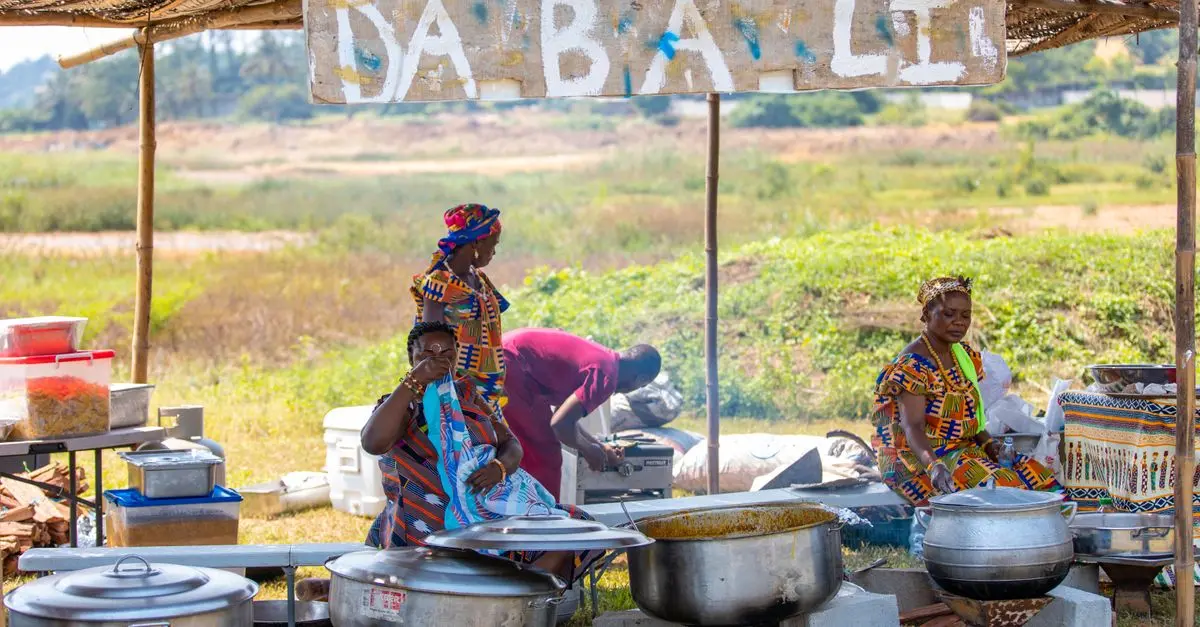
One of the most effective ways to explore new cultures is to engage with locals. Participate in community events, visit local markets, and attend festivals. These interactions can provide deeper insights into daily life and cultural practices. For example, joining a cooking class can help you understand the ingredients and culinary techniques that are essential to the local cuisine. According to studies by tourism boards, travelers who interact with locals often report higher satisfaction levels and richer experiences.
Common Pitfall to Avoid: Sticking to tourist-only areas can limit your exposure. Venture beyond the usual and don't hesitate to ask locals for recommendations on places they love.
3. Attend Cultural Workshops or Classes
Participating in workshops or classes is a fantastic way to immerse yourself in a culture. Whether it's a pottery class in Mexico or a traditional dance class in Bali, these experiences allow you to learn a skill while understanding the cultural context behind it. According to Cultural Tourism statistics, 72% of travelers expressed interest in participating in such immersive experiences.
4. Sample Local Cuisine
Food is a significant aspect of any culture. When exploring new cultures, make it a point to try the local cuisine. Don’t just visit popular restaurants; seek out street food stalls, local diners, and family-run establishments. For example, if you're in Thailand, street food is an essential culinary experience. Learning about the ingredients, cooking methods, and cultural significance of the dishes will deepen your appreciation of the place.
5. Be Respectful and Open-Minded
As you explore new cultures, approach them with respect and an open mind. Every culture has its unique practices and beliefs, and what might seem unusual to you could be perfectly normal for someone else. Remember to dress appropriately, especially when visiting religious sites, and be aware of cultural differences in gestures and expressions. Being respectful fosters positive interactions and shows your willingness to learn.
Checklist for Respectful Engagement:
- [ ] Research etiquette before your trip
- [ ] Learn about local customs and traditions
- [ ] Dress appropriately for cultural sites
- [ ] Ask before taking photos of individuals or places
- [ ] Be open to trying unusual foods
6. Share Your Experiences
Once you've explored new cultures, share your experiences. This can be done through social media, blogs, or local community events upon your return. Sharing can inspire others to explore, and you may find new avenues for cultural exchange in the process. Plus, reflecting on your experiences can help solidify the knowledge you've gained.
📺 For further insights: Discovering World Cultures through Travel, an overview of cultural exploration techniques. Search on YouTube: "how to immerse in local cultures while traveling."
7. Keep a Journal
Keeping a travel journal is a great way to document your cultural experiences. Write about your interactions, your thoughts on local customs, and any new insights you gain. This practice not only helps solidify memories but can also serve as a useful tool for self-reflection. Studies have shown that writing about experiences can enrich understanding and personal growth.
Conclusion
Exploring new cultures while traveling opens up a world of perspectives and connections. By following these practical steps, you can transform your trips into not just vacations but meaningful journeys.
Glossary
| Term | Definition |
|---|---|
| Culture | The social behavior and norms found in human societies. |
| Culinary | Related to cooking or kitchens. |
| Etiquette | The customary code of polite behavior in society. |
Checklist before Traveling:
- [ ] Research local culture and customs
- [ ] Make a list of local foods to try
- [ ] Join local classes or workshops
- [ ] Engage with locals during your visit
- [ ] Document your experiences in a journal
🧠 Quiz rapide: What is one benefit of engaging with locals while traveling?
- A) Saving money on accommodations
- B) Gaining deeper cultural insights
- C) Finding the most popular tourist attractions
Réponse : B — Interacting with locals offers authentic perspectives and enhances your understanding of the culture.
📺 Pour aller plus loin : how to immerse in local cultures while traveling sur YouTube