Table of Contents (22 sections)
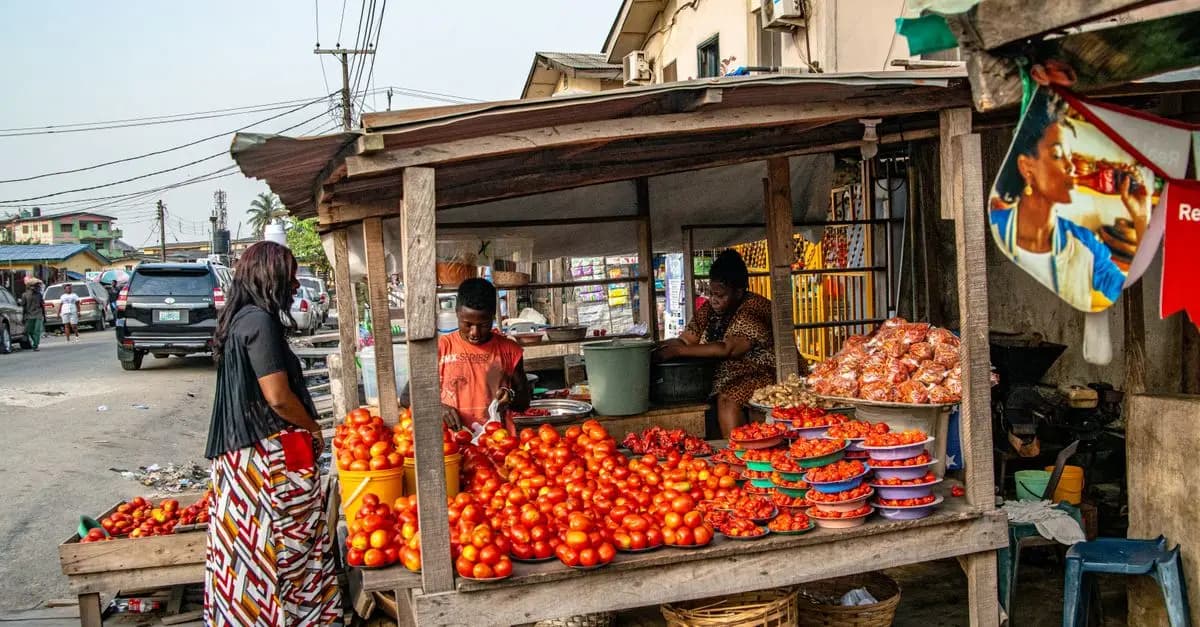
When traveling, immersing yourself in local markets can offer an intimate glimpse into the culture and daily life of a region. These vibrant hubs are more than just places to shop; they're living, breathing expressions of local culture, cuisine, and camaraderie. This guide will equip you with the knowledge necessary to navigate local markets effectively, ensuring a rewarding experience filled with unique finds and rich interactions.
1. Understanding Local Markets
What is a Local Market?
Local markets, also known as street markets or farmers’ markets, are places where merchants and farmers sell their goods directly to consumers. They can vary in size and offerings, ranging from small roadside stalls to sprawling markets hosting hundreds of vendors. Why explore local markets? They offer authentic cultural experiences, allowing travelers to taste local flavors, discover artisanal goods, and engage with residents.
Additionally, according to a study conducted by the U.S. Travel Association, 68% of travelers prefer seeking out local experiences over mainstream tourist attractions. Engaging with local markets can also benefit the community economically, as many vendors are small business owners. Shopping local helps to sustain their livelihoods while enriching your travel experience.
Why Visit?
Exploring local markets is a feast for the senses. You’ll encounter colorful produce, exotic spices, handmade crafts, and the sounds of lively bargaining. Additionally, many markets conduct food demonstrations or host local musicians, providing a multi-sensory experience.
2. Preparing for Your Market Visit
Step-by-Step Preparation
Before visiting a local market, it's wise to do a bit of planning:
- Research: Look up popular local markets in your destination. Websites like TripAdvisor or blogs focusing on specific cities often provide updated information on market schedules and the best times to visit.
- Timing: Aim to visit early in the morning or late in the afternoon. Markets are generally less crowded during these times, allowing you to interact more with vendors.
- Cash is King: Many local vendors don’t accept credit cards, so ensure you have enough local currency. Small denominations are particularly useful for bargaining.
- Dress Comfortably: Wear comfortable shoes and weather-appropriate clothing. Markets can be bustling and require a good amount of walking.
💡 Expert Tip: Bring a reusable shopping bag! Not only is it eco-friendly, but it makes carrying your purchases a lot easier.
L.L.Bean Men's Insect-Repellent Explorer Shirt Storm Blue Small, Seersucker/Nylon L. L.Bean
llbean.com
Molton Brown The Enigmatic Explorer Mini Travel Pouch - 3 x 3.3fl oz
moltonbrown.com

3. Navigating the Market
Tips for an Engaging Experience
Once you arrive, keep the following in mind for a successful visit:
- Explore First: Walk around the market to get a sense of offerings before making any purchases. This helps you gauge prices and the variety available.
- Engage with Vendors: Try to learn a few local phrases or greetings. Engaging with vendors can enhance your experience and often leads to better deals or recommendations.
- Taste Before You Buy: Many vendors will offer samples. Be bold and try out as many samples as you can!
- Bargaining: Be prepared to negotiate prices, but do so respectfully. Bargaining is part of the culture, but it should remain friendly.
Common Pitfalls to Avoid
- Overwhelming Yourself: Don’t feel pressured to buy immediately. Take your time to explore variety first.
- Ignoring Food Safety: If buying food, particularly perishables, check their freshness and hygiene practices, especially in outdoor markets.
Table Comparison of Local Markets
| Market Name | Location | Best Products | Recommended For |
|---|---|---|---|
| San Miguel Market | Madrid, Spain | Fresh produce, meats | Culinary enthusiasts |
| Chatuchak Market | Bangkok, Thailand | Handmade crafts | Souvenir hunters |
| Mercado de La Boqueria | Barcelona, Spain | Seafood, tapas | Food lovers |
| Tsukiji Outer Market | Tokyo, Japan | Sushi, seafood | Foodies and chefs |
Essential Souvenirs
Local markets sell a treasure trove of goods. Here are some categories to consider:
- Food Items: Purchase local snacks, spices, or delicacies that are unique to the region.
- Handmade Crafts: Look for artisanal handicrafts like pottery, textiles, or jewelry, which often tell stories about the local culture.
- Clothing and Accessories: Explore local fashion by buying clothing that reflects the style of the region.
According to a report by Market Research Future, the global demand for artisanal products is expected to rise as consumers increasingly favor unique, local craftsmanship over mass-produced goods. Exploring local markets can help you support these artisans directly.
Supporting Local Economies
Buying from local vendors ensures that your money stays within the community. This not only supports individual families but also helps in the preservation of cultural practices and unique styles.
📺 Video Resources
> 📺 For more insights: Exploring Local Markets: Tips and Tricks, a comprehensive guide for navigating worldwide markets. Search on YouTube for: how to explore local markets 2026.
5. Frequently Asked Questions
Q: What is the best time to visit local markets?
A: Early mornings or late afternoons are ideal for fewer crowds and the freshest products.
Q: Are local market foods safe to eat?
A: Generally, yes, but it is important to observe vendors' hygiene practices and purchase perishable goods wisely.
Q: Can I bargain with vendors?
A: Yes, bargaining is common in local markets, but always do so politely to maintain goodwill.
Q: Why should I prefer local markets over supermarkets?
A: Local markets offer a unique glimpse into the culture and support local economies, providing a more authentic experience.
Glossary
| Term | Definition |
|---|---|
| Artisanal | Made by hand using traditional methods |
| Market Economy | An economic system where goods are exchanged in markets |
| Culinary Tourism | Traveling with the primary purpose of tasting local food |


Checklist Before You Go
- [ ] Research local markets and their timings
- [ ] Prepare enough cash for transactions
- [ ] Dress comfortably and prepare for walking
- [ ] Bring a reusable bag for purchases
- [ ] Learn a few local phrases to enhance interactions
Conclusion
Exploring local markets can greatly enhance your travel experience. By following these steps and tips, you can enjoy the vibrant atmosphere, create lasting memories, and support local economies. Don't forget to check out our recommended products to make your journey even more rewarding!
Revamping your travel experience by diving into local markets can transform your journey into a rich cultural adventure. Happy exploring!
📺 Pour aller plus loin : how to explore local markets 2026 sur YouTube
Recommended products
Selected by our experts