Table of Contents (14 sections)
Traveling opens doors to new cultures and experiences, but it also comes with the responsibility to ensure our adventures do not harm the places we visit. In this guide, we present key strategies for maintaining ethical practices while indulging in your global adventures.
1. Understanding Responsible Travel
What is responsible travel? Simply put, it encompasses practices that minimize negative impacts on the environment and local communities while maximizing positive contributions. According to a report by the United Nations (2025), responsible travel fosters sustainable development through tourism that benefits local economies, preserves resources, and respects cultural heritage. This includes supporting local businesses, opting for eco-friendly accommodations, and being respectful of local customs. Nevertheless, the responsibility of travelers involves awareness and understanding of their surroundings before embarking on their journey.
2. Opt for Sustainable Accommodations
Choosing where to stay is crucial in ensuring your travel footprint is sustainable. Look for eco-friendly hotels and lodges that prioritize renewable energy, waste management, and resource conservation. Websites such as Green Key offer certifications for hotels committed to sustainability. Additionally, consider shorter stays in local inns or homestays, which often have less environmental impact than larger tourist resorts. This approach not only supports the local economy but enhances your experience as you engage with the community directly.
3. Embrace Local Culture and Traditions
When visiting a new destination, immersing yourself in its culture is essential. Respect for local customs and traditions not only enriches your travel experience but also fosters goodwill. This includes participating in local festivals, sampling regional cuisine, and learning a few basic phrases in the local language. Furthermore, it’s advisable to dress appropriately and be considerate of local norms, especially regarding religious or cultural sites. Engaging respectfully with locals can lead to meaningful interactions and insights.
4. Reduce Your Carbon Footprint
Transportation can significantly contribute to your carbon footprint while traveling. To mitigate this, consider using public transportation, cycling, or walking instead of renting a car or taking taxis. Short-haul flights are significant culprits in carbon emissions, so choosing trains for shorter distances can make a difference. According to a study by EcoPassenger (2026), traveling by train can reduce your emissions by up to 70% compared to flying. Reducing your reliance on fossil fuels enhances your journey while benefiting the environment.
5. Support Local Economies
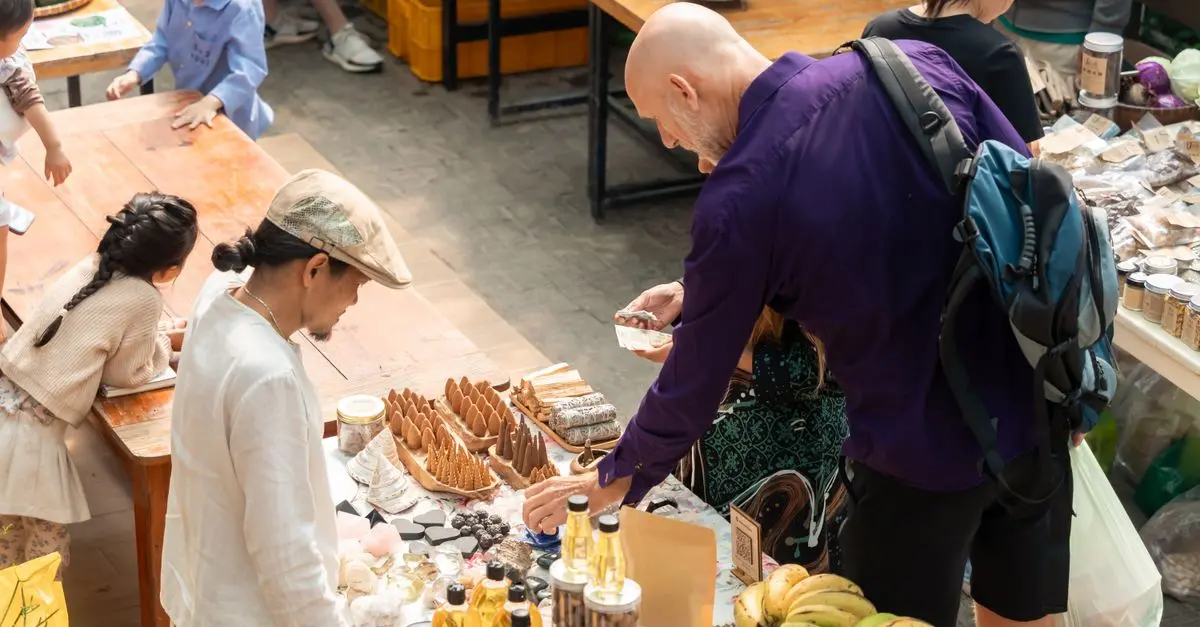
One of the most rewarding aspects of traveling is the chance to contribute to the local economy. Spend your money at local markets, restaurants, and attractions owned by residents instead of international chains. This practice ensures that your contributions directly benefit the community rather than being siphoned off by large corporations. Moreover, purchasing handmade crafts can support local artisans and preserve cultural traditions. By fostering local businesses, you not only experience authentic culture but also stimulate economic growth.
6. Be Mindful of Wildlife
Engaging with wildlife can be an incredible part of traveling but also comes with ethical considerations. Avoid activities that exploit animals or contribute to their decline. Instead, opt for responsible wildlife tourism where animals are treated humanely and live in their natural habitats. For example, consider visiting wildlife conservation projects or sanctuaries that prioritize animal welfare. According to the World Wildlife Fund (2026), responsible wildlife tourism can provide funding for conservation efforts and foster appreciation for biodiversity.
7. Practice Waste Reduction
Travel can generate significant waste, from single-use plastics to food waste. As a responsible traveler, bring reusable items such as water bottles, shopping bags, and utensils to minimize your waste footprint. Many destinations lack proper waste disposal and recycling systems, so carrying a few reusable items can have a considerable impact. Additionally, consider participating in local cleanup efforts to help maintain the beauty of the place you’re visiting. This not only enhances your experience but also contributes positively to the environment.
8. Stay Informed About the Destination
Prior to traveling, educate yourself about the socio-political and environmental issues facing the area you plan to visit. This knowledge helps in understanding the local context and allows you to engage more meaningfully with residents. Being informed also prepares you for potential sensitivities, ensuring that your actions do not inadvertently exacerbate existing challenges. Local news outlets, travel blogs, and community resources can provide valuable insights into current conditions.
9. Engage in Community Volunteerism
A profound way to connect with a destination and give back to the community is through volunteerism. Many organizations offer opportunities for travelers to engage in projects related to education, conservation, and community development. Participating in local volunteer initiatives not only creates positive change but also offers invaluable cultural exchange and insights. Be sure to choose reputable organizations that ensure the contributions directly benefit the community rather than merely being a photo opportunity for tourists.
10. Mind Your Spending Habits
Be thoughtful about where your money goes during your travels. Supporting local artisans, markets, and small businesses ensures that your expenditures boost the local economy and culture. Instead of purchasing mass-produced souvenirs, seek out unique items created by local craftsmen or artists. According to a report by Oxford Economics (2024), every dollar spent in local economies yields a significant return in community wealth. Your spending habits can either enhance or inhibit local livelihoods, so aim to make choices that uplift rather than diminish local cultures.
Checklist before Your Next Trip
- [ ] Research sustainable accommodations.
- [ ] Learn basic phrases in the local language.
- [ ] Pack reusable items to reduce waste.
- [ ] Educate yourself about local customs and traditions.
- [ ] Choose public transport over car rentals when possible.
Glossary
| Term | Definition |
|---|---|
| Responsible Travel | Travel that considers environmental, social, and economic impact on local communities. |
| Eco-Friendly Tourism | Tourism that minimizes environmental damage and promotes sustainability. |
| Cultural Sensitivity | Awareness and respect for the cultural practices of others, especially when traveling. |
> 💡 Expert Opinion: Many travelers believe that incorporating responsible travel practices not only enriches their journeys but also creates meaningful connections with locals. This shared experience can transcend cultural barriers, fostering a greater understanding of global interconnectedness.


eKids - Paw Patrol Chase Wired Headphones for Kids, Children’s Headphones for School, Home, or Travel - Blue
bestbuy.com
Total Chef Miracle Blender, Blender with Travel Cups, 12 pc Set
bedbathandbeyond.com
📺 Resource Video
> To dive deeper into the topic of responsible travel, check out videos on YouTube exploring the principles and significance of ethical tourism. Search for keywords: "responsible travel tips 2026".
We invite you to explore our recommended products that can enhance your travel experience while ensuring you remain responsible and eco-conscious during your journeys. Discover our recommendations below!
📺 Pour aller plus loin : responsible travel tips 2026 sur YouTube
Recommended products
Selected by our experts

Hamilton Beach - Wave Crusher Blender with 40 oz. Glass Blender Jar and 20 Oz. Travel Jar - Black
bestbuy.com

Sweet - 800W Smoothie Blender for Kitchen, Blenders for Smoothies with 3 Travel Cups, Portable Blender for Shakes, Ice Crushing - Black
bestbuy.com

VEVOR Pet Stroller Foldable 3 Wheels Dog Stroller with Brake up to 35lbs Travel Camp One Size
shop.simon.com