Table of Contents (12 sections)
Cultural festivals are vibrant celebrations that showcase traditions, arts, and the rich history of a community or country. From the flamboyant Carnival in Brazil to the serene Diwali in India, these events allow participants to immerse themselves in local customs, cuisine, and performances. They enhance understanding and appreciation of diverse cultures while providing a platform for artists and artisans to display their talents. In a world more interconnected than ever, attending these festivals can bridge cultural gaps and foster global friendships. However, exploring them responsibly is crucial to ensuring that these experiences are beneficial to both visitors and hosts.
Prepare Ahead of Time
Before embarking on your journey to a cultural festival, thorough research is essential. Knowing the festival's significance, schedule, and notable activities will enhance your experience. Determine peak times for visiting and if there are ticketing requirements. For example, the Oktoberfest in Munich is a massive event with millions of attendees; pre-booking accommodations and festival tickets is advisable to secure your spot. Additionally, learn local customs and etiquette associated with the festival. Understanding norms, such as dress codes or traditional greetings, not only enriches your experience but also shows respect to local cultures. Preparing ahead ensures you maximize your festival adventure while demonstrating cultural sensitivity.
Engage with Locals
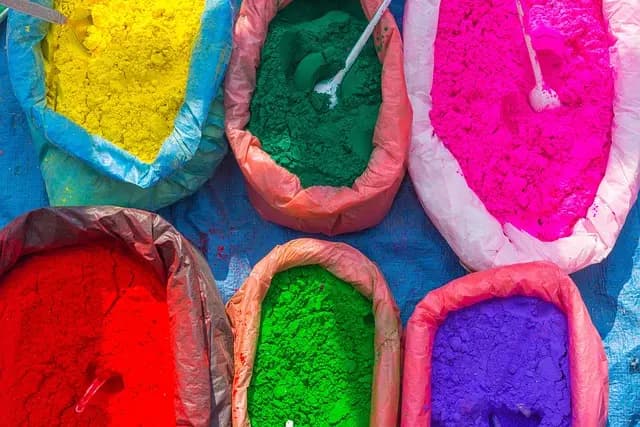
One of the most enriching aspects of attending a cultural festival is the opportunity to interact with local residents. Engaging with locals can deepen your understanding of the festival's traditions and narratives. Consider joining a local tour or employing a guide who can provide insights into the cultural significance of the festival. Participating in workshops, such as traditional dance classes or craft-making sessions, allows for personal engagement. For example, during the Holi Festival in India, participating in the festivities involves throwing colored powders and sharing sweets with strangers, turning the experience into a community celebration. Initiating friendly conversations can lead to meaningful connections and enhance your travel memories.
Respect Cultural Norms
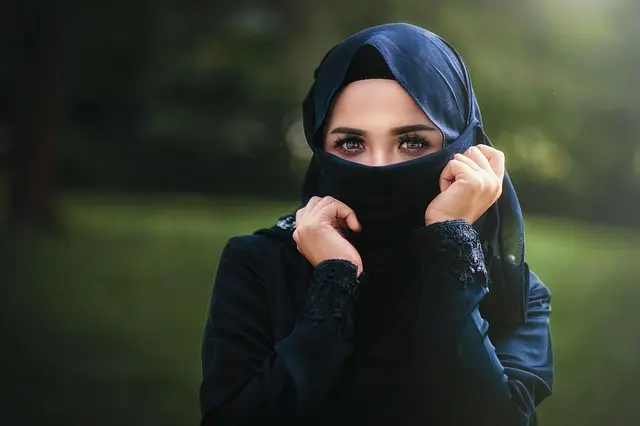
Understanding and adhering to cultural customs is paramount when attending festivals. Each festival comes with its own set of traditions and behaviors that participants should observe. For instance, at the Kumbh Mela in India, where spiritual practices are highly revered, it's essential to maintain decorum and respect rituals. Additionally, some festivals may have dress codes emphasizing modesty; therefore, dressing appropriately reflects respect for the host culture. As visitors, it's our duty to ensure that our presence does not overshadow or offend the local sentiments. Observing these norms elevates the experience for both travelers and hosts, fostering harmony.
Be Environmentally Conscious
Cultural festivals can generate significant waste, impacting the environment. As responsible travelers, it is essential to minimize our ecological footprint during these events. Consider carrying reusable water bottles, utensils, and bags to curb single-use plastic consumption. Many modern festivals are adopting eco-friendly practices, such as waste segregation and using biodegradable materials. For instance, The Green Man Festival in Wales promotes sustainability through its eco-friendly initiatives. By supporting such practices, you contribute positively to the community and the environment while enjoying the festival. Embracing sustainability can enhance your connection to the culture and motivate others to follow suit.
Try Local Food
Food is a central component of cultural festivals, offering a delicious insight into local traditions and customs. Each region showcases unique flavors and cooking methods, reflecting its cultural identity. Be open to trying different dishes; some festivals, like the Luigi's Bologna Festival, highlight local cuisine through stalls offering everything from street food to gourmet dining. Participating in food-related events, such as cooking demonstrations or tastings, also provides an opportunity to learn about culinary techniques. Remember to support local food vendors, as each meal contributes to the local economy. Indulging in authentic cuisine not only satisfies your palate but also enriches your overall festival experience.
Document Your Experience
Capturing the essence of cultural festivals through photography or journaling can enhance your experience. It serves as a personal souvenir that allows you to revisit exciting moments. While photography is encouraged, it’s vital to seek permission from individuals before taking portraits, especially in cultures where this is customary. Documenting your travels increases mindfulness, encouraging you to cherish the unique aspects of each festival. After returning home, share your insights through social media or blog posts to inspire others in your community to explore diverse cultural experiences. Your reflections might resonate with fellow travelers, promoting cultural appreciation.
Stay Safe and Healthy
Attending festivals in different regions can expose travelers to varying health and safety considerations. It’s vital to prioritize your well-being while enjoying the festivities. Carry essential items such as hand sanitizer, sunblock, and any necessary medications. Moreover, stay informed regarding local health regulations and emergency contacts. For instance, during large gatherings like the Rio Carnival, it's crucial to remain vigilant about personal belongings and surroundings. Familiarizing yourself with local customs can also prevent potential misunderstandings. Staying safe enhances not only your experience but also the experience of those around you.
Explore Beyond the Festival
While cultural festivals are extraordinary experiences, it’s beneficial to explore the surrounding area before or after the event. Engaging with local attractions, historical sites, and natural landscapes can provide a broader perspective on the culture you are experiencing. Consider visiting museums, galleries, or natural parks nearby to deepen your understanding of the local environment. For instance, if you're attending the Gion Matsuri Festival in Kyoto, take time to visit its ancient temples and shrines. Exploring beyond the festival can create a more comprehensive travel experience that you will cherish forever.
📺 For More:
Explore Cultural Festivals Around the World, a deep dive into cultural celebrations across continents. Search on YouTube: "cultural festivals around the world 2026."
Glossary
| Term | Definition |
|---|---|
| Cultural Festival | A celebration showcasing cultural practices, traditions, and arts of a community. |
| Sustainability | Practices aimed at minimizing environmental impacts and preserving resources for future generations. |
| Culinary Tradition | Food customs unique to a particular culture or community, reflecting historical and geographical influences. |
Checklist Before Attending a Cultural Festival
- [ ] Research the festival's background and schedule
- [ ] Prepare culturally appropriate attire
- [ ] Plan local transportation and accommodations in advance
- [ ] Keep health essentials in your travel kit
- [ ] Engage with local customs and practices
🧠 Quick Quiz: What is the most important aspect of attending a cultural festival?
- A) Taking photographs
- B) Respecting local customs
- C) Trying local food
Answer: B — Respecting local customs is crucial for meaningful engagement.
Cultural festivals offer an incredible opportunity to celebrate diversity and connect with the world. By being prepared and responsible, you can maximize your impact and understanding while creating cherished memories that will last a lifetime. So pack your bags, and embark on a journey to explore the world's cultural treasures!
📺 Pour aller plus loin : cultural festivals around the world 2026 sur YouTube