Table of Contents (15 sections)
Embarking on cultural journeys offers a unique and enriching experience that transcends typical travel. It allows you to immerse yourself in the traditions, customs, and daily lives of local communities. Understanding the significance of cultural exploration not only enhances your travel experience but also promotes a deeper appreciation for diversity. Whether it's participating in a traditional festival or trying local cuisines, these experiences can create lasting memories and a greater understanding of the world around us.
1. Research Before You Go
Before embarking on your journey, it's crucial to conduct thorough research on the destination you plan to visit. Start by understanding its culture, history, and traditions. Websites like National Geographic and Lonely Planet provide rich insights into various cultures. Focus on learning about local customs, common phrases, and etiquette, as this knowledge can play a significant role in your interactions with locals. Additionally, sites like TripAdvisor often have forums where travelers share their personal experiences, giving you specific insights into what to expect.
2. Keep an Open Mind
Traveling culturally requires an open mind and a willingness to embrace the unfamiliar. Cultures differ in many aspects, including social norms, food, and values. For instance, what is considered polite in one culture may be perceived differently in another. Allow yourself to step outside your comfort zone and try new foods, participate in local customs, or even learn a few words of the local language. This openness fosters mutual respect and sets the stage for meaningful connections with residents.
3. Engage with Locals
Connecting with the local community is arguably the most rewarding aspect of cultural journeys. Consider joining community tours or workshops that provide authentic insights into daily life. Places like Airbnb or Couchsurfing offer local host experiences. By interacting with residents, you can gain a deeper appreciation of their way of life. Remember to be respectful and ask questions, as most locals are happy to share their culture and traditions with interested visitors.
4. Attend Local Events and Festivals
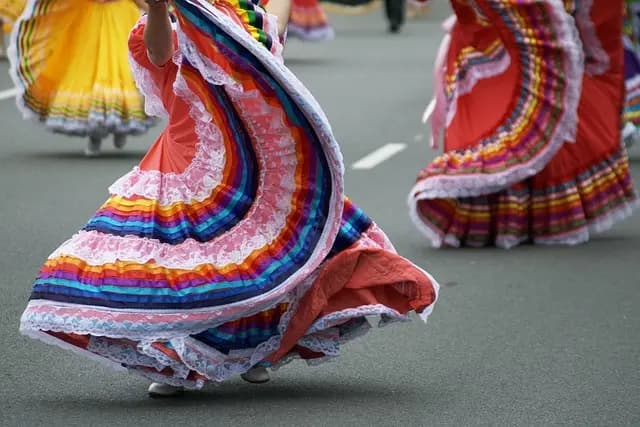
Participating in local events and festivals provides a vibrant insight into a culture's heritage. These gatherings offer unique opportunities to experience traditional music, dance, food, and customs first-hand. For example, attending the Carnival in Brazil or the Holi Festival in India can provide a deep cultural immersion. Research ahead of time to find out when these events occur and plan your itinerary accordingly to ensure you don't miss out.
5. Documentation of Your Journey
To truly appreciate your cultural journey, consider keeping a travel journal or blogging about your experiences. Detailing your thoughts and observations can enhance your appreciation for the nuances of different cultures. According to a study by Psyche Central, reflective writing can improve mental well-being and provide deeper insights into experiences. Capturing details about local food, conversations with locals, and personal reflections can provide enjoyment upon revisiting those memories.
6. Support Local Economy
When traveling, make conscious choices to support the local economy. This can include purchasing handmade crafts, eating at family-owned restaurants, and using local guides. According to The World Bank, supporting local businesses can significantly impact the livelihood of residents. Opt for local transportation methods or participate in community-run activities whenever possible to ensure your travel contributes positively to the local economy.
Economic Impact of Cultural Tourism
| Factor | Cultural Tourism | General Tourism | Difference |
|---|---|---|---|
| GDP Contribution | 8% | 6% | +2% |
| Job Creation | 3 million jobs | 2 million jobs | +1 million jobs |
| Local Business Revenue | $50 billion | $30 billion | +$20 billion |
| Environmental Awareness | High | Moderate | +High |
7. Learn Basic Local Language
Although communication barriers may exist, learning a few basic words and phrases in the local language can significantly enhance your interactions. It shows respect and willingness to engage with the local culture. Use resources like Duolingo or Memrise to learn essential vocabulary. Even simple greetings or expressions of gratitude can go a long way in cultivating goodwill during your travels.
8. Visit Cultural Institutions
Cultural institutions such as museums and galleries offer critical insights into the history and art of a destination. They often provide educational resources that are artistically enriching. For example, visiting the Louvre in Paris or the National Museum of Anthropology in Mexico City can deepen your understanding of local culture and heritage. Moreover, many of these institutions host workshops and lectures that allow visitors to gain hands-on experience and learn directly from experts.
9. Practice Respect for Traditions
Every culture has its own traditions and taboos. It is vital to approach these differences with respect. For example, if visiting a place of worship, dress appropriately and follow local customs. Ignorance can lead to unintentional disrespect. Therefore, familiarize yourself with local customs and be observant of how locals behave in different settings. This will help prevent faux pas and ensure your interactions are positive.
10. Sustainability in Cultural Travel
As travelers, we have a responsibility to ensure our journeys positively impact the environments and cultures we visit. Opt for sustainable travel practices by minimizing waste, supporting eco-friendly businesses, and being mindful of your environmental footprint. According to The Global Sustainable Tourism Council (2025), sustainable practices can lead to more enriching experiences, helping preserve cultures for future generations.
📺 For Further Exploration:
Cultural Journeys: Experience Local Traditions Globally, a comprehensive analysis on cultural exploration. Search on YouTube: "cultural travel insights 2026".
Checklist before Travel Planning
- [ ] Research your destination's culture and customs
- [ ] Learn at least a few phrases in the local language
- [ ] Connect with locals through community experiences
- [ ] Plan to attend local festivals or events
- [ ] Ensure your travel choices support local economies
Glossary
| Term | Definition |
|---|---|
| Cultural Immersion | Engaging deeply with a culture through experiences, customs, and interactions with locals. |
| Sustainable Travel | Traveling that aims to minimize environmental impact while supporting local communities. |
| Cultural Preservation | Efforts made to protect and promote the traditions, arts, and customs of cultures at risk of fading. |
> 🧠 Quick Quiz: What is a key benefit of cultural travel?
- A) Lower costs
- B) Deeper understanding of cultures
- C) Easier communication
Answer: B — Traveling culturally allows for enriched experiences through engagement with diverse traditions.
📺 Pour aller plus loin : cultural travel insights 2026 sur YouTube